|
1
|
- Prepared by : Dr. Abhishek Garg
- M.D Resident 3rd year
- Edited by : Dr. Arun kumar sharma
|
|
2
|
- Miss PRAGYA DHITAL,
- 10 Years old girl
- From Gorkha , Nepal
- Admitted on 7/4/062
- at KCH / BED NO- 321
- IP NO- 10112
|
|
3
|
- Abdominal swelling --- 1 month
- Progressive pallor------ 1 month
- Pain abdomen off and on
|
|
4
|
- She was apparently well 1 month
back when she started developing progressively increasing abdominal
swelling mainly in left upper
abdomen associated with off and on mild pain.
- This was associated with
progressive pallor without any major bleeds.
|
|
5
|
- Occasionally had bleeding from nose in small amounts
- No h/o jaundice
- No h/o hematemesis, melena, hemoptysis.
- No h/o blood transfusions in the past.
- No h/o fever, rash
- No h/o high colored urine
- No h/o any joint pains/chest pain
|
|
6
|
- No history of any long term illness
- No history of drug intake
- No history of TB contact
- No bleeding disorders in the family
- Home delivered
- Prenatal / intranatal / postnatal period uneventful (according to
mother)
- Immunized as per national schedule, no hepatitis B vaccine given
|
|
7
|
- FATHER - 35 years
- MOTHER - 30 years
- 4 SIBLINGS
- 1ST – 12
years/female healthy
- 2nd – 10
years/female patient
- 3rd – 8
years/male healthy
- 4th –
6 years/male
healthy
- No other members symptomatically ever jaundiced
|
|
8
|
- Temp- 98 * F
- Pulse- 120 /min
- BP- 120/60 mmHg
- RR- 19 / min
- Pallor- present
- Icterus- absent
- Edema - absent
- Cyanosis- absent
- Lymphadenopathy- absent
- Clubbing-absent
|
|
9
|
- Distended with everted umbilicus
- Non tender to palpation, spleen was palpable 16 cms below left costal
margin, hard in consistency with smooth and regular surface, liver was
not appreciably enlarged
- Percussion showed no free fluid in abdomen
- Auscultation revealed no appreciable bruit
|
|
10
|
- Respiratory examination was unremarkable.
- Cardiovascular examination was unremarkable.
- Neurological examination showed no abnormalities.
- Musculoskeletal examination showed no abnormalities
|
|
11
|
- Investigations were done to evaluate these etiologies of splenomegaly
- Hb = 8 gm%
- TLC = 2500/ul
- DLC =N 60 L40 M0 E 0
- Platelet = 30,000
- ESR =45
- Retics = 0.2%
- PT =19 sec ,Control =13 sec
- Peripheral smear = Normocytic, Hypochromic, Atypical lymphocytes few.
|
|
12
|
- Bone marrow = Normocellular marrow. Erythroid hyperplasia
- Urine R/M= normal
- Stool r/m- normal
- X-Ray Chest PA = normal
|
|
13
|
- USG Abdomen= Liver Normal, dilated portal vein(12mm), Grossly enlarged
spleen with normal parenchymal echo density , No SOL. Doppler study of portal system showed
portal vein to measure 10.8 mm in caliber and show normal ante grade
blood flow. Intrahepatic portal vein tributaries are distorted, hepatic
veins are normal. Splenic vein is dilated and measures 9.0-9.4 mm in
diameter with normal ante grade flow
|
|
14
|
- Upper GI Endoscopy:-
- Grade IV esophageal varices
|
|
15
|
- Discussion
- Minor nose bleeds common problem in children
- Most prominent problem in this patient is massive splenomegaly
|
|
16
|
- Congestive splenomegaly due to cirrhotic or non cirrhotic portal
hypertension or splenic vein obstruction
- Hemolytic anemias due to extramedullary hematopoiesis
- Chronic infections especially malaria and kala-azar in endemic areas
- Malignancies
- Storage disorders ,especially
Gaucher’s, and Niemann-pick disease
- Anatomical lesions like splenic cysts, hemangiomas or hamartomas
|
|
17
|
- These findings confirmed the portal hypertension of cirrhotic etiology
for splenomegaly.
- Causes of cirrhosis in children:
- Hepatits B and C,
- Bilirary cirrhosis,
- Autoimmune cirrhosis,
- Inherited disease (Wilson
disease, cystic fibrosis, alpha-1 antitrypsin deficiency,
hemochromatosis, galactosemia, and glycogen storage disease. )
- (Absence of jaundice as the presentation: unlikely of first three )
|
|
18
|
- for this patient and led to the etiological investigations
- Serum Copper Level:- 53 micro mole/liter (normal:-11-24 micro
mole/liter)
- Ceruloplasmin level:- 20 micro mole/litre (normal:-62-140)
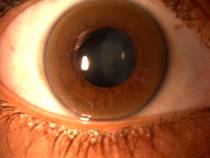
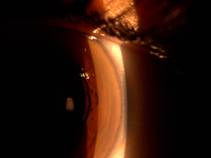
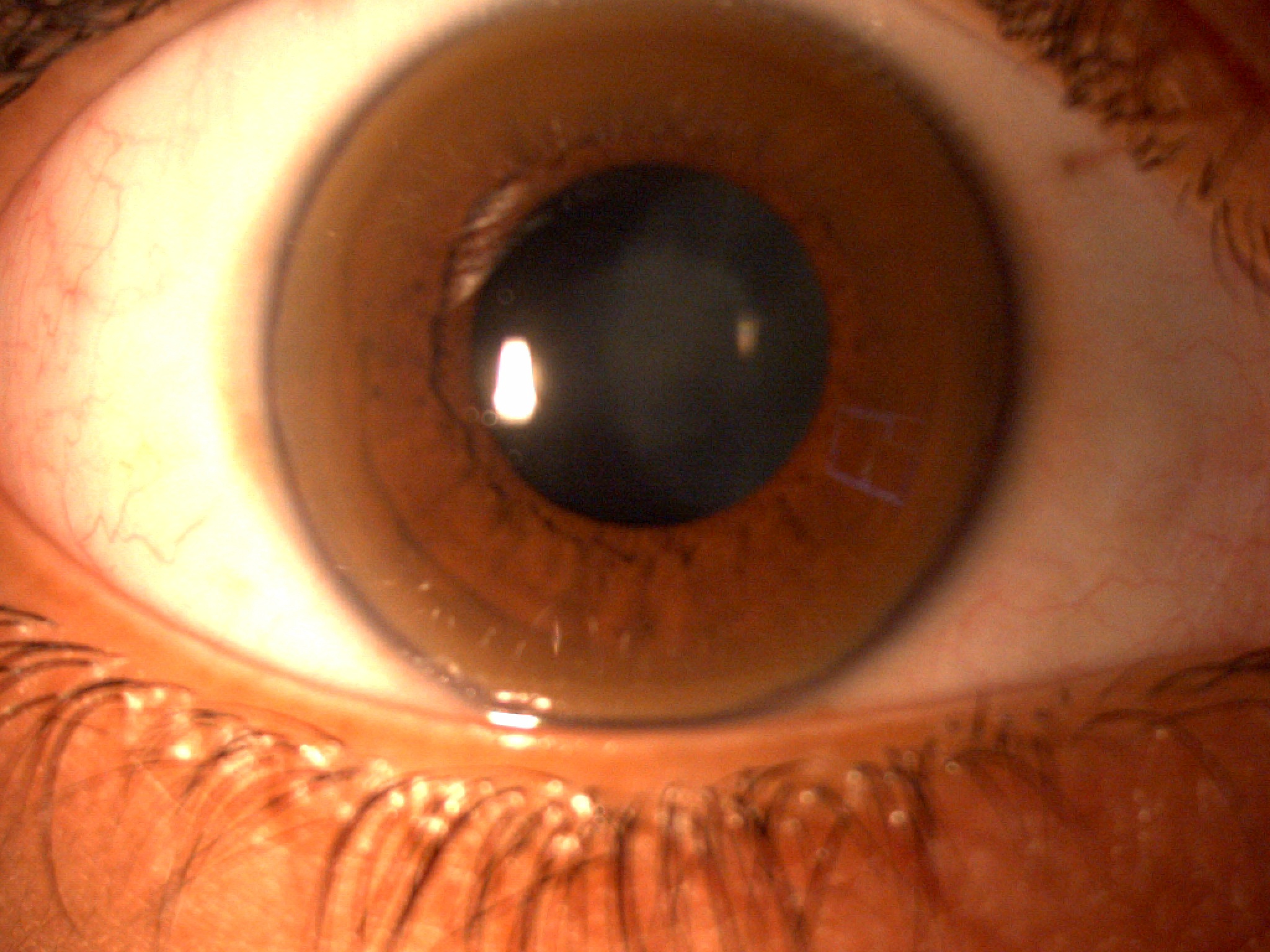
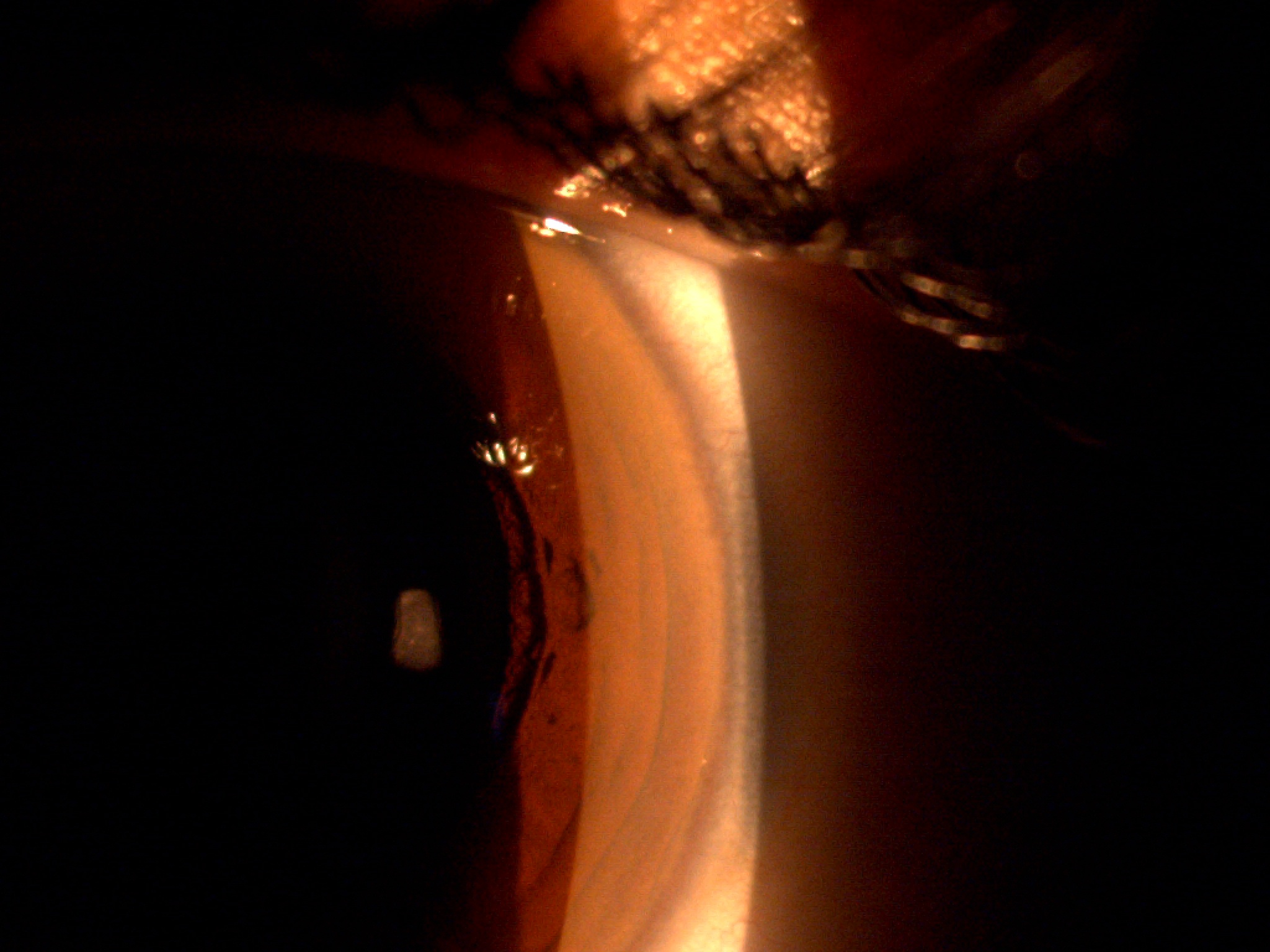
- Ophthalmologic examination:- KF (Kayser-Fleischer ring) Ring with sub
capsular brownish opacity.
|
|
19
|
|
|
20
|
- WILSONS DISEASE + CIRRHOSIS OF LIVER + PORTAL HYPERTENSION
|
|
21
|
- Patient was started on D-Pencillamine 20mg/kg/day
- Patient was also referred to surgery unit for
sclerotherapy for esophageal varices.
- And was asked to follow up after 1 month
|
|
22
|
- Wilson disease (WD) is an inherited disease of copper metabolism
characterized by cirrhosis and degenerative central nervous system
disorder first described an American neurologist Samuel Alexander
Kinnier Wilson in 1912
- WD is inherited as an autosomal recessive disorder linked to a locus
on the long arm of chromosome 13.
- The condition is characterized by excessive deposition of copper in the
liver, brain, and other tissues. The major physiologic aberration is
excessive absorption of copper from the small intestine and decreased
excretion of copper by the liver.
|
|
23
|
- In Wilson disease, the processes of incorporation of copper into
ceruloplasmin and excretion of excess copper into bile are impaired. The
transport of copper by the copper-transporting P-type ATPase is
defective in Wilson disease secondary to one of several mutations in the
ATP7B gene. The excess copper acts as a promoter of free radical
formation and causes oxidation of lipids and proteins.
- Organ dysfunction in patients with WD results from inadequate biliary
excretion of copper and subsequent copper deposition, most notably in
the liver and central nervous system.
|
|
24
|
- It occurs world-wide with an estimated prevalence of 1 in 30–50 000. No data exists on prevalence in Nepal
- Case series of 19 patients has been published recently (Nepal Journal of
Neuroscience, Volume 1, Number 2, 2004)
- Certain features of Wilson's disease (WD) in Asia have been found to be
different from those in other continents.
- In many case series from india, this disease is noted to manifest at a
younger age in Indian children. The average intake of copper in India
ranges from 5.7-7.1 mg/day and is higher than the reported 0.34-1.1
mg/day in Western countries. The practice of cooking food in
copper/copper alloy pots might be contributory.
|
|
25
|
- The clinical presentations can be extremely varied viz: all forms of
acute and chronic liver disease, minimal to severe neurological
disease, psychiatric problems,
bony deformities, hemolytic anemia and endocrine manifestations.
- Age of presentation varies from 4 to 60 years though majority present
before the age of 30 years. The younger the patient, the more likely is
the hepatic involvement and after 20 years of age neurological symptoms
predominate. KF ring may be absent in young patient with liver disease
but are always present in patient with neurological symptoms.
- Untreated WD is uniformly fatal. Death results from hepatic, renal, or
hematological complications, generally at the age of 30 years.
|
|
26
|
- Hepatic presentation:
- Most patients including asymptomatic demonstrate some degree of hepatic
damage. Anorexia, vague abdominal pain, lethargy and epistaxis are non
specific symptoms.
- Most common presentation is that of chronic liver disease with signs of
liver cell failure and portal hypertension
- Some patients present as acute hepatitis causing initial diagnostic
confusion with infective hepatitis
- Hepatic insufficiency may develop rapidly and result in signs of
fulminant hepatic failure
- Gallstones have been associated with WD in children
|
|
27
|
- Central nervous system pathology in WD results from copper deposition in
the basal ganglia.
- Patients may report central nervous system signs and symptoms, such as
drooling, speech changes, incoordination, tremor, difficulty with fine
motor tasks, and gait difficulties.
- Psychiatric manifestations include compulsive behavior, aggression,
depression, impulsive behavior, and phobias.
- The patient or parent often reports deterioration in school or job
performance. Intellect is unchanged.
|
|
28
|
- Kayser-Fleischer rings are 1-3 mm and consist of copper granules in the
stromal layer of the eye.
- Color changes are visible only in the Descemet membrane and typically
are described as a golden brown, brownish green, bronze, or tannish
green color seen in the limbic area of the eye.
- No visual impairments are associated with the color changes, which may
be detected with the naked eye, although slit lamp examination is
mandatory for confirmation.
- KF rings are seen in 90% of children with neurological symptoms, 50-60%
without neurological symptoms and in 10% of siblings with asymptomatic
disease.
- KF rings start as a small crescent at the top of the limbus and spread
inferiorly then laterally and finally medially to become
circumferential.
- The rings fade and disappear with appropriate chelation therapy in 3-5
years in the reverse order of appearance.
|
|
29
|
- The product of the WD gene is expressed in renal tissue, but whether
the renal symptoms are primary or secondary to release of copper from
the liver is unknown.
- Renal complications tend to be functional changes unrelated to
identifiable histologic findings.
- Rarely, patients with WD develop renal stones and associated symptoms.
Renal stones are precipitated by hypercalciuria and poor urine
acidification. Therapy with copper-chelating agents can improve renal
function
|
|
30
|
- Skeletal abnormalities in patients with WD are also highly variable and
include osteoporosis, osteomalacia, rickets, spontaneous fractures, and
polyarthritis.
- Knock knees presenting as refractory rickets is considered common
presentation of WD in India.
|
|
31
|
- Disorders such as rhythm abnormalities and increased autonomic tone,
have been described in patients with WD.
- Autopsy findings have included hypertrophy, small vessel disease, and
focal inflammation.
|
|
32
|
- Patients with WD exhibit signs of anemia, presumably due to oxidative
injury of the cell membrane by excess copper.
- Acute or recurrent coomb’s negative hemolytic anemia is sometimes a
presenting feature which may or may not be associated with liver
dysfunction.
|
|
33
|
- Skin pigmentation and a bluish discoloration at the base of the
fingernails (azure lunulae) have been described in patients with WD.
|
|
34
|
- No single test is diagnostic by itself, and a group of tests needs to be
done
- Laboratory results in patients with WD include the following:
- Serum ceruloplasmin levels lower than 20 mg/dL(but 5-40%of patients
have normal ceruloplasmin)
- Low total serum copper levels(but are seldom diagnostic, The levels may
be low, normal or high in WD)
- Increased urinary copper excretion: >100 mcg/d (increased excretion after
penicillamine dose is more diagnostic)
- Hepatic copper is the single best predictive marker for WD and
considered the gold standard, with values usually above 250 mcg/g dry
weight of liver ( this facility
is seldom available in country like ours)
- A complete Kayser–Fleischer (KF) ring indicates long-standing disease
and severe Cu overload.
|
|
35
|
- Results of copper stain testing often are negative early in the disease.
Negative results of copper staining of liver biopsy specimens do not
exclude the diagnosis, since stored copper may be distributed
heterogeneously.
- The following laboratory results may be observed in patients with WD:
- Elevated aminotransferase levels
- Abnormal results on coagulation tests
- Hemolytic anemia
- Aminoaciduria, glycosuria, uric aciduria, and calciuria
- Mutational analysis and haplotype analysis is being pursued for
diagnosis as well as carrier state detection in the siblings.
|
|
36
|
- CT scans of the brain in patients with WD reveal hypodense regions in
the basal ganglia (caudate nucleus, putamen, globus pallidus).
Ventricular dilatation, brainstem atrophy, and posterior fossa atrophy
are other possible findings. Extent of involvement as demonstrated on CT
scans does not provide prognostic information.
- Radiographs are not uniformly recommended as part of the workup for WD
in children because musculoskeletal abnormalities rarely are identified
in the pediatric population.
|
|
37
|
In a neurological
setting, diagnosis of WD is easier, as a
KF ring would be positive in almost all cases and along
with either a low ceruloplasmin or high urinary copper,
would be diagnostic. In liver disease, diagnosis can be
more complex. WD is strongly suggested by any two of
the following – low ceruloplasmin, high urinary copper,
presence of KF rings, and confirmed by a high hepatic
Cu. If a liver biopsy is not possible due to coagulopathy,
but other investigations are suggestive of WD, chelation
therapy can be started immediately. Liver biopsy must
then be done at the earliest opportunity, as hepatic copper may remain
elevated despite years of therapy and clin-
ical improvement
|
|
38
|
- Once the diagnosis of WD is made, treatment is crucial to avoid fatal
outcome. Medical treatment consists of dietary restriction coupled
with various copper-chelating
medications.
- Dietary restriction alone doesn’t prevent or control wilson’s disease,
high amount of copper containing foods( nuts ,meat and fish ,chocolates,
spinach etc) should be avoided .
- Continuous life long drug therapy is essential ;initially to reduce
copper to sub toxic levels and
subsequently to maintain a negative copper balance.
|
|
39
|
- Current drug therapy for wilsons disease
|
|
40
|
- Clinical evaluation, liver function tests, 24 hour urinary copper, KF rings must be
monitored six monthly initially and yearly thereafter.
- Scholastic and vocational rehabilitation is required for neurological
handicaps along with considerations for social problem of costly
treatment.
- Liver transplant is indicated in patients with WD with fulminant hepatic
failure and/or disease that is worsening despite chelation therapy.
Prognostic criteria has been set
for patients presenting with fulminant hepatitis.
- Sibling evaluation is mandatory for occult WD or carrier status of WD
gene.
|
|
41
|
|
|
42
|
- Outcome in wilson disease
- Despite adequate chelation therapy the outcome is unpredictable with 48%
mortality in hospital series. Common outcome seen are:
- Rapid and complete improvement of hepatic lesions including early
cirrhosis
- Initial deterioration of neurological symptoms but with eventual
improvement with few residual handicaps (speech and handwriting)
- Relentless progression and death as in fulminant hepatic failure
- Relentless progression and death in advanced cirrhosis
- Normal healthy outcome in asymptomatic siblings of index patient who
take regular chelation therapy
|
|
43
|
- A poor prognosis (i.e. rapid fulminant hepatic failure) has been
reported in patients who discontinue chelation therapy.
- Relatively favorable outcome has been reported after liver transplant,
with reported decrease in neurologic symptoms. Continued chelation
therapy was not necessarily required post transplantation.
|

 Notes
Notes